How many times does a bar attendant hear you repeat during the day the ordering “ “Long coffee” and “Ristretto coffee”? Not to mention all the other variants. But what is the difference between long coffee and ristretto?
Long coffee is obtained by letting a lot of water flow into the cup, on the contrary, the narrow one provides little water. One often wonders how much caffeine there really is in the long one and the narrow one. And whether it is appropriate to consume more of one or the other. Intuitively long coffee would contain less caffeine than restricted coffee, as it is less concentrated. In fact, this is not quite so.

From the point of view of the caffeine content between the long coffee and the ristretto, the one that contains more caffeine is the long one, because it is more exploited in the preparation and therefore consequently “produces” more caffeine. Many believe that by ordering a long coffee, they somehow “dilute” the caffeine intake and instead it is quite the opposite.
Clearly, compared to the espresso of the bar, which has a significantly higher content of caffeine, the one prepared with mocha contains less. And this depends on the speed of its preparation and the time of contact of coffee with water.
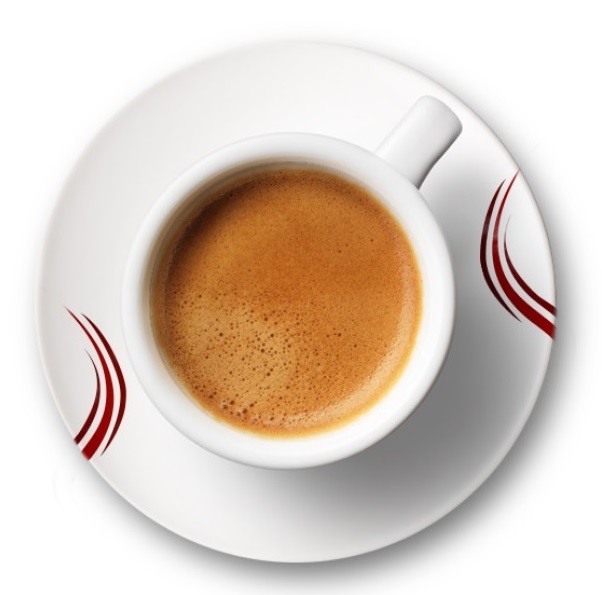
In the espresso at the bar it is about 15-25 seconds, instead the coffee prepared with our moka at home, has significantly longer water-coffee contact times, over 3 minutes. This causes caffeine to have a higher incidence in what we consume at the bar. If you are concerned about caffeine, the only coffee you can drink then it is (trivially!) the decaffeinated mixture.
If, on the contrary, you drink coffee and do not care at all about how much caffeine there is and pay attention only to the taste, choose the lungo or ristretto with peace of mind. In small sips or in one breath, coffee is a personal pleasure and you have the last word.


